
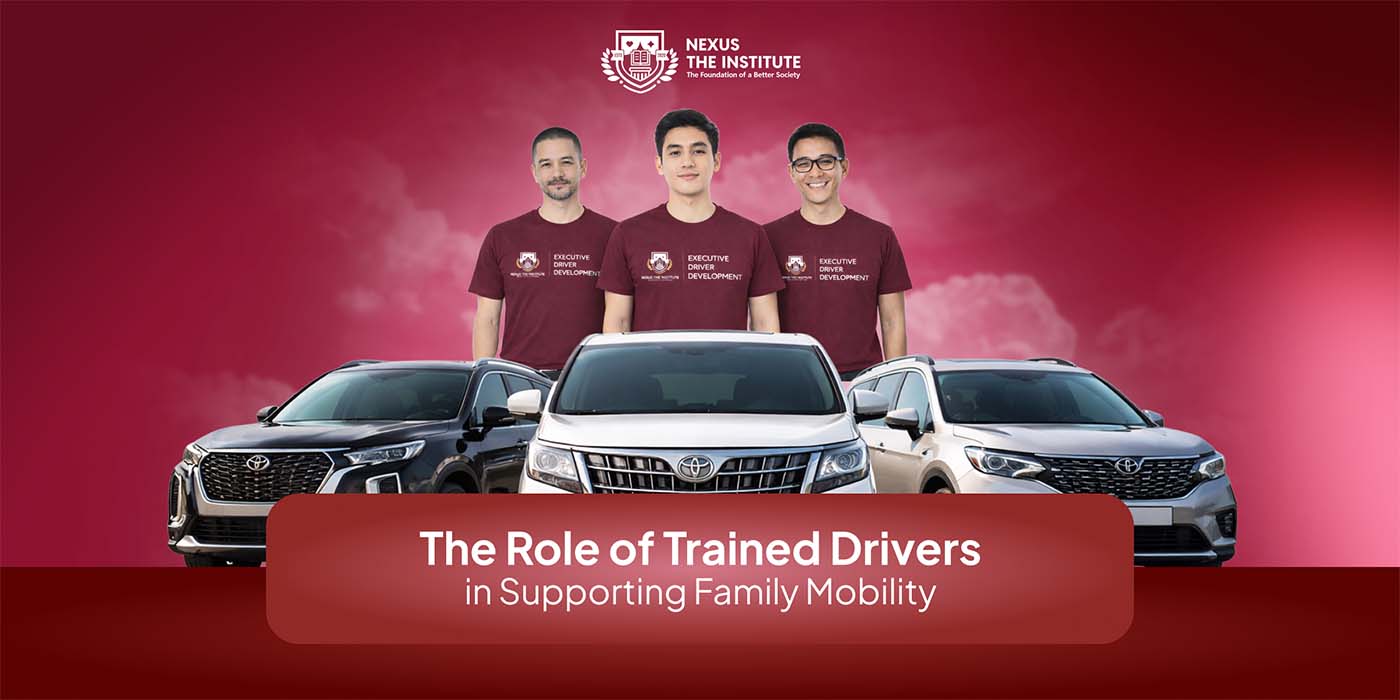
In today’s fast-paced world, family mobility plays a crucial role in maintaining productivity, safety, and overall quality of life. Whether it involves school drop-offs, business meetings, airport transfers, or daily errands, reliable transportation is essential. Behind smooth and efficient mobility, there is often a trained driver who ensures every journey is safe, punctual, and comfortable.
The role of a family driver has evolved significantly over the years. No longer limited to basic driving skills, modern drivers are expected to demonstrate professionalism, communication abilities, safety awareness, and service excellence. This is why driver training programs and structured professional training) have become increasingly important in preparing drivers for today’s demands.
The Changing Expectations of Family Drivers
Traditionally, a driver’s responsibility was simply to operate a vehicle from one location to another. However, modern families—especially in urban areas—require more than just technical driving ability.
Today’s professional family driver is expected to:
- Ensure the safety of all passengers
- Practice defensive driving techniques
- Maintain vehicle cleanliness and maintenance
- Manage routes efficiently to avoid delays
- Communicate effectively with family members
- Uphold confidentiality and discretion
These expectations highlight the importance of structured driver training programs, which equips drivers with both technical and soft skills necessary in a professional household setting.
Safety as the Top Priority
One of the most critical responsibilities of a trained driver is ensuring passenger safety. Families entrust drivers with their children, elderly members, and valuable time. A driver who has undergone proper professional training understands the importance of risk awareness and defensive driving techniques.
Professional driver training typically covers:
- Defensive driving strategies
- Emergency response procedures
- Hazard recognition
- Traffic regulation compliance
- Road etiquette and situational awareness
Through comprehensive driver training programs, drivers are better prepared to anticipate potential risks and respond appropriately in unexpected situations.
Professionalism Beyond Driving Skills
Professionalism is a defining characteristic of a trained family driver. This includes punctuality, respectful communication, appropriate grooming, and ethical behavior. In many households, drivers interact directly with children, guests, and business associates.
This is where additional competencies such as communication skills and even English courses become valuable. For families with international backgrounds or expatriate members, English communication skills can significantly enhance service quality.
By combining professional training with language development through English courses, drivers can:
- Communicate confidently with international family members
- Understand instructions clearly
- Assist during airport pickups or business travel
- Represent the family with professionalism
In a globalized environment, communication skills are just as important as driving expertise.
Supporting Family Productivity and Lifestyle
A trained driver does more than provide transportation—they support the family’s daily productivity. Efficient route planning, time management, and reliability reduce stress and ensure that schedules run smoothly.
Families often rely on drivers for:
- School transportation
- Extracurricular activities
- Corporate meetings
- Medical appointments
- Travel logistics
Through structured driver training programs, individuals learn time management strategies and professional conduct that align with high-standard household expectations.
The Importance of Pelatihan Profesional
Structured professional training goes beyond technical training. It shapes mindset, discipline, and service orientation. Professional training programs often emphasize:
- Customer service excellence
- Personal presentation and grooming
- Confidentiality and discretion
- Emotional intelligence
- Work ethics and responsibility
These elements distinguish a trained driver from an untrained one. Families increasingly prefer drivers who have completed formal driver training programs programs because they offer greater reliability and professionalism.
Career Growth Opportunities for Trained Drivers
Completing driver training programs and additional development such as English courses opens broader career opportunities. Trained drivers may work in:
- Private family households
- Corporate executive transportation
- Diplomatic or expatriate environments
- Luxury hospitality sectors
- International placements
With proper professional training, drivers can increase their earning potential and gain access to more prestigious employment opportunities.
Professional certification and structured training demonstrate commitment to quality and continuous self-improvement—qualities highly valued in competitive job markets.
The Long-Term Value of Driver Training
Investing in driver training program benefits not only the driver but also the families they serve. Well-trained drivers contribute to:
- Enhanced safety
- Reduced transportation risks
- Improved punctuality
- Higher service standards
- Stronger trust between family and driver
In the long term, structured professional training helps build a sustainable career path while improving the overall mobility experience for families.
Conclusion
The role of a trained driver in supporting family mobility extends far beyond operating a vehicle. It involves safety awareness, communication skills, time management, professionalism, and service excellence. Through comprehensive driver training program, additional competencies such as English courses, and structured professional training, drivers can meet the evolving demands of modern households.
As families continue to prioritize safety, efficiency, and reliability, the demand for professionally trained drivers will only grow. Investing in proper training today lays the foundation for safer journeys, stronger trust, and long-term career success in the mobility sector.
Professional trained driver providing safe family mobility services